Free Protein Calculator for Muscle Gain & Health
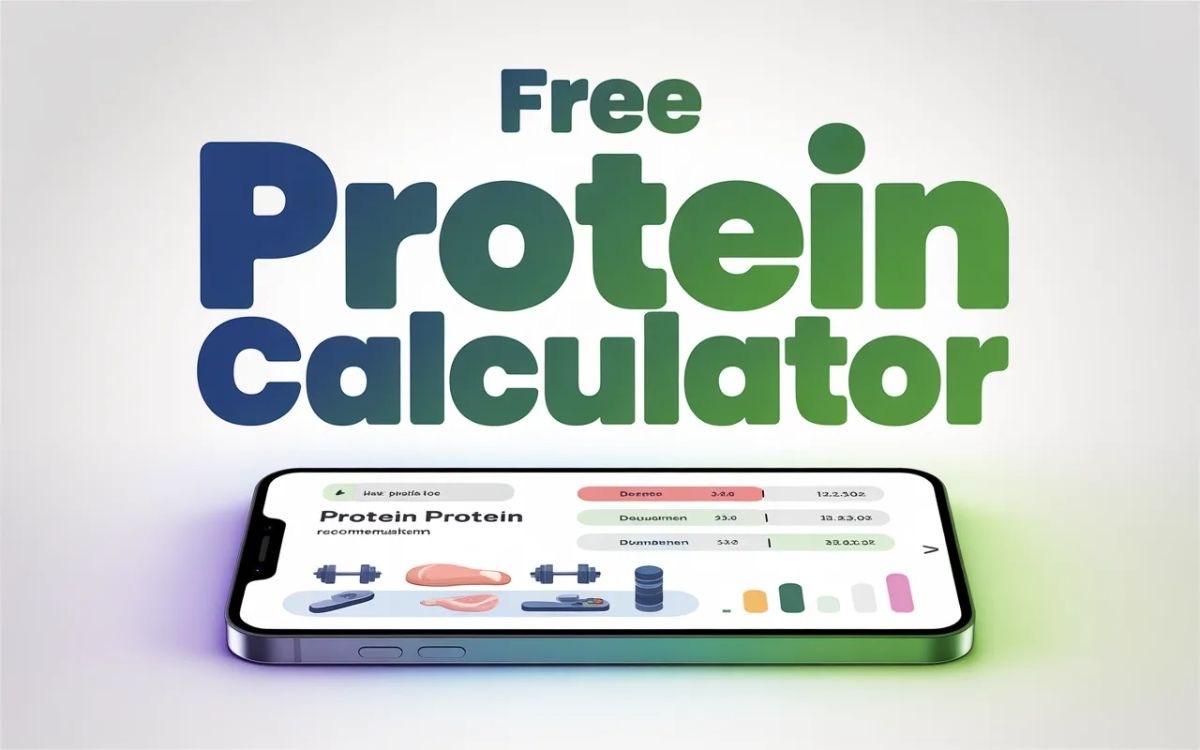
Use our Free Protein Calculator to estimate daily protein intake for muscle gain, weight loss, recovery, and health goals.
Introduction
If you've ever felt confused about how much protein your body actually needs, you're definitely not alone. One website says one thing, your gym friend says another, and suddenly you're searching for a Free Protein Calculator just to get a simple answer that makes sense. Whether your goal is weight loss, muscle gain, or simply eating healthier, figuring out the right protein intake can feel more complicated than it should be.
This blog will break everything down in a simple and easy way. You'll learn how a Free Protein Calculator works, why protein matters for your body, and how to estimate the right amount based on your lifestyle and goals. By the end, you'll have a clearer understanding of your daily protein needs without all the confusing fitness jargon.
What Is a Protein Calculator?
A protein calculator is an online nutrition calculator that estimates how much dietary protein your body needs each day. It uses details like age, body weight, activity level, and fitness goals to recommend an ideal protein intake. Instead of guessing, you get a more personalized target that supports your healthy lifestyle.
Many people use a daily protein intake calculator because protein needs aren't the same for everyone. Someone doing resistance training several times a week usually needs more protein than a person with a sedentary routine. A good protein requirement calculator helps you calculate protein intake more accurately and build a balanced diet around your goals.
How Does a Protein Calculator Work?
A protein intake calculator collects basic information about your body and daily routine. Most tools ask for your weight, height, gender, age, and exercise habits. Then, the calculator estimates your protein consumption needs using sports nutrition guidelines and body composition formulas.
Some advanced tools also factor in calorie intake and workout recovery demands. For example, a protein calculator for muscle gain may recommend higher protein levels to support lean muscle mass and muscle growth. Meanwhile, a protein calculator for weight loss often balances protein with overall weight management goals.
Why Protein Is Important for Your Body
Protein does much more than help bodybuilders build muscle. Your body uses amino acids from protein-rich foods to repair tissues, support metabolism, and maintain healthy organs. Without enough protein, even a well-planned diet can fall short.
Healthy protein intake also plays a major role in energy, recovery, and long-term wellness. In fact, your muscles, skin, bones, and immune system all rely on steady protein intake to function properly.
Supports Muscle Growth
Protein supports muscle growth by helping your body repair tiny muscle tears after strength training. Think of it like rebuilding bricks after a wall gets damaged. Without enough protein, lean muscle protein intake stays too low for proper recovery and growth.
Helps With Weight Loss
Protein can make weight loss easier because it keeps you full longer than many processed foods. A higher protein intake for weight loss may also reduce cravings and support fat loss while protecting lean muscle mass during a calorie deficit.
Improves Recovery After Workouts
After intense workouts, your muscles need nutrients to recover properly. Protein intake for muscle recovery helps rebuild muscle fibers and reduce soreness after resistance training or endurance workouts.
Maintains Healthy Bones and Skin
Your skin, bones, hair, and nails all contain important protein structures. A healthy protein intake supports tissue repair and helps maintain strength as you age.
Keeps You Full Longer
Ever notice how a protein-heavy breakfast keeps hunger away longer than sugary cereal? Protein slows digestion, which helps stabilize appetite and supports better weight management throughout the day.
Recommended Daily Protein Intake
Daily protein needs vary depending on your body weight, activity level, and fitness nutrition goals. Someone focused on muscle maintenance usually needs less protein than a person training intensely for bodybuilding or sports performance.
Here's a simple guideline many protein per day calculator tools use:
| Activity Level | Protein Intake Recommendation |
|---|---|
| Sedentary lifestyle | 0.8g per kg of body weight |
| Moderate activity | 1.2-1.6g per kg |
| Strength training | 1.6-2.2g per kg |
| Endurance athletes | 1.4-2.0g per kg |
These numbers aren't rigid rules. However, they offer a helpful starting point when asking, "How much protein do I need?"
How to Use a Protein Calculator Correctly
Using a fitness protein calculator sounds simple, but small mistakes can lead to inaccurate results. The better your information, the more useful your recommendation becomes.
Also, remember that calculators provide estimates, not medical diagnoses. Your daily nutrition needs may change depending on training intensity, health conditions, or lifestyle changes.
Enter Accurate Body Information
Always use your current body weight and activity data. Guessing or using outdated numbers can skew your protein needs by weight and create unrealistic nutrition planning targets.
Select the Right Activity Level
Be honest about your exercise habits. Choosing "very active" while working out once a week may inflate your recommended protein consumption unnecessarily.
Choose Your Fitness Goal
Your goal affects the final recommendation. A bodybuilding protein calculator usually suggests more protein for muscle-building diets, while maintenance plans stay lower.
Review Your Daily Protein Requirement
Once the calculator provides results, compare them with your eating habits. If your target feels too high, you can spread protein across meals instead of forcing it into one large dinner.
Protein Intake for Different Goals
Protein needs change depending on what you want to achieve. That's why a protein calculator for fitness goals can be more useful than generic nutrition advice.
For example, a marathon runner and a weightlifter may eat similar calories but require different protein strategies for workout recovery and performance.
Protein for Muscle Gain
Muscle gain usually requires higher protein intake combined with strength training and enough calories. Many athletes aim for 1.6 to 2.2 grams of protein per kilogram of body weight to support lean muscle mass.
Protein for Weight Loss
During fat loss, protein helps preserve muscle while reducing hunger. A protein calculator for weight loss often recommends slightly higher protein to support metabolism support and satiety.
Protein for Maintenance
If your goal is general health and muscle maintenance, moderate protein intake often works well. Consistency matters more than chasing extremely high numbers.
Protein for Endurance Athletes
Runners, cyclists, and swimmers also need protein for muscle repair and energy recovery. Sports nutrition plans for endurance athletes typically balance carbohydrates with steady protein intake.
Best High-Protein Foods to Meet Your Goals
Choosing the right protein-rich foods makes it easier to reach your daily targets without relying entirely on supplements. Whole foods also provide vitamins, minerals, and other nutrients important for healthy meal planning.
A smart workout diet includes a mix of animal and plant protein sources for variety and balanced nutrition.
Animal-Based Protein Sources
Animal proteins contain all essential amino acids and digest efficiently. Popular options include:
- Chicken breast
- Eggs
- Greek yogurt
- Fish and salmon
- Lean beef
- Cottage cheese
- Turkey
These foods work especially well for post-workout nutrition and muscle recovery.
Plant-Based Protein Sources
Plant proteins can also support healthy eating and fitness goals when combined properly. Good options include:
- Lentils
- Chickpeas
- Tofu
- Tempeh
- Quinoa
- Chia seeds
- Nuts and beans
Plant-based diets may require extra attention to protein deficiency risks, especially for highly active individuals.
Common Mistakes When Calculating Protein Intake
One common mistake is copying someone else's diet without considering your own body composition or activity level. Your friend's protein needs for bodybuilding may not match your daily nutrition calculator results.
Another issue is focusing only on protein while ignoring calorie intake and overall nutrition planning. Protein matters, but your body also needs healthy fats, carbohydrates, hydration, and micronutrients for a balanced diet.
Other mistakes include:
- Ignoring protein timing
- Overestimating workout intensity
- Relying too heavily on supplements
- Forgetting protein from snacks and drinks
- Using inaccurate body weight data
Protein Timing: When Should You Eat Protein?
Protein timing isn't magic, but it can help optimize muscle recovery and energy levels. Many experts recommend spreading protein intake evenly throughout the day instead of eating most of it at dinner.
Post-workout nutrition is especially important after resistance training. Eating protein within a few hours after exercise may support muscle growth and improve workout recovery. However, consistency across your entire diet matters more than obsessing over exact timing.
Benefits of Using a Free Protein Calculator
A Free Protein Calculator removes much of the guesswork from healthy meal planning. Instead of blindly following internet trends, you get recommendations tailored to your fitness goals and body weight.
Using a free online protein calculator can also help you:
- Track healthy protein intake
- Support muscle maintenance
- Improve nutrition planning
- Build a muscle-building diet
- Manage weight more effectively
- Support healthy eating habits
- Understand daily nutrition needs better
Plus, seeing actual numbers often makes fitness goals feel more realistic and manageable.
Free Protein Calculator Tool
A free protein calculator tool can be especially useful if you're starting a new fitness routine or adjusting your diet. Many tools work instantly and provide recommendations within seconds.
The best protein calculator for muscle gain usually includes options for activity level, body composition, and training frequency. Some tools even combine macro and protein calculator features so you can track calories, fats, and carbohydrates together.
Calculate Your Daily Protein Intake with Nutrimeasure
Nutrimeasure offers a simple daily protein intake calculator designed for people who want fast and practical nutrition guidance. Instead of complicated charts, the tool helps you calculate protein based on body weight, lifestyle, and fitness goals.
Whether you're building muscle, improving workout recovery, or planning a fat loss diet, Nutrimeasure can simplify the process. It's especially useful for beginners who feel overwhelmed by conflicting fitness nutrition advice online.
Protein Calculator vs Macro Calculator
A protein calculator focuses mainly on estimating your protein needs. A macro and protein calculator goes further by tracking carbohydrates, fats, and total calorie intake alongside protein.
Here's a quick comparison:
| Feature | Protein Calculator | Macro Calculator |
|---|---|---|
| Tracks protein needs | Yes | Yes |
| Tracks carbs and fats | No | Yes |
| Best for beginners | Yes | Yes |
| Supports full nutrition planning | Limited | More detailed |
| Focused on protein goals | Strongly | Moderately |
If your main focus is muscle growth or protein consumption, a protein-focused tool may be enough. However, people following detailed fitness nutrition plans often benefit from tracking all macronutrients together.
FAQs
How much protein should I eat daily?
Most adults need around 0.8 to 2.2 grams of protein per kilogram of body weight depending on activity level and fitness goals.
Is a free protein calculator accurate?
A free protein calculator provides helpful estimates based on general nutrition science. It's a great starting point for healthy eating and fitness planning.
Can protein help with weight loss?
Yes. Protein helps control hunger, supports muscle maintenance, and may improve weight management during a calorie deficit.
What's the best protein intake for muscle gain?
Many experts recommend 1.6 to 2.2 grams of protein per kilogram of body weight for muscle growth and strength training support.
Should women and men eat different amounts of protein?
Protein needs depend more on body weight, activity level, and fitness goals than gender alone.
Conclusion
Understanding your protein needs doesn't have to feel confusing or overwhelming. A good Free Protein Calculator can help you estimate the right intake for muscle growth, weight management, workout recovery, and overall health without relying on guesswork.
The key is consistency. Pair smart protein intake with balanced nutrition, regular exercise, and healthy eating habits. Over time, even small improvements in your daily nutrition plan can make a noticeable difference in your energy, recovery, and fitness results.
Get the free 7-Day High-Protein Meal Plan
Cut, maintain or bulk plans. Full macros. No sign-up fluff.
Free. Unsubscribe anytime. We never share your email.
Advertisement